Colored Chalk: The Font That Brings Handwritten Warmth to Your Work
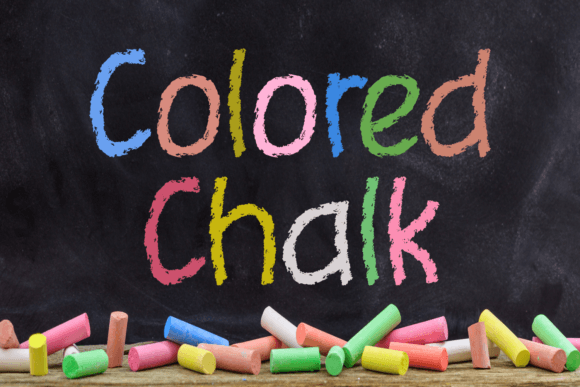
There’s something instantly comforting about the uneven edges of chalk on a blackboard. It recalls the familiar scratch of a teacher’s lesson, the playful announcements on a café board, or the heartfelt message on a welcome sign. This nostalgic, tactile feeling is precisely what the Colored Chalk font captures. It’s not just a typeface; it’s a design tool that translates the casual, approachable charm of handwritten chalk into your digital and print projects. If you’re looking to break away from sterile, corporate fonts and inject a dose of personality, this friendly handwritten font might be your perfect solution.
Understanding the Handwritten Appeal
At its core, Colored Chalk is a display font characterized by its playful, slightly irregular strokes. Unlike a precise script font or a clean sans serif font, its visual texture mimics the porous, imperfect nature of chalk dust on a rough surface. This inherent "human" quality makes it a powerful creative font for projects that aim to connect on a personal level. The warmth it radiates can soften a brand's image, making a business feel more like a friendly neighbor than a faceless entity. For designers and small business owners, this translates to immediate audience engagement—people are naturally drawn to visuals that feel authentic and crafted by hand.
Where This Typeface Truly Shines: Practical Applications
The versatility of Colored Chalk is one of its greatest strengths. It’s a premium font that can adapt to a wide array of design assets, moving seamlessly between digital and physical realms. Think beyond the obvious. While it’s perfect for a coffee shop menu or a school event poster, its applications are far more expansive:
- Brand Identity & Logo Design: For businesses like bakeries, craft studios, family-run restaurants, or educational blogs, using Colored Chalk in your logo design or tagline can instantly communicate your values of authenticity, creativity, and hands-on care. It helps build brand recognition through a distinctive and memorable visual voice.
- Packaging Design: Imagine a jar of artisanal jam or a bag of organic coffee with a label set in this typeface. It elevates the product from something on a shelf to a story about quality and tradition, enhancing the packaging design with a touch of homegrown charm.
- Social Media Graphics & Web Design: In the fast-paced scroll of social media, a handwritten font can act as a stop sign for the eye. Use it for Instagram quotes, story headers, or YouTube thumbnails to create a cozy, relatable atmosphere. On a website, it works beautifully for call-to-action phrases, blog post titles, or sidebar notes, adding personality to your web design without compromising overall readability when used thoughtfully.
- Print & Editorial Layouts: From wedding invitations and birthday cards to editorial design in magazines or book covers, Colored Chalk adds a whimsical, festive touch. It’s also excellent for marketing assets like flyers for a local workshop or sale announcements for a boutique, making the information feel more personal and urgent.
- Digital Products & Merchandise: If you sell digital products like printable planners, worksheets, or e-book covers, this font can make them feel more approachable and user-friendly. For physical merchandise—think tote bags, mugs, or t-shirts—it translates the chalkboard aesthetic into a wearable or usable piece of art.
Pairing for Professional Presentation
While Colored Chalk has a strong personality, effective font pairing is key to achieving a polished and professional presentation. The goal is balance. Because it’s a decorative typeface, it’s typically best used for headlines, accents, or short bursts of text. Pair it with a simple, highly legible serif font or sans serif font for body copy. For example, a clean geometric sans serif like Montserrat or a classic serif like Lora can provide a stable, readable foundation, allowing the chalk font to deliver its charm without overwhelming the reader.
Always test your pairings in context. View them on both a computer screen and a mobile device. Print a sample if the project is for physical media. Check the visual consistency across different sizes—does the chalk texture become muddy at small sizes? Does it remain clear and impactful when large? Most quality commercial font packages, including Colored Chalk, often come with multiple weights or styles (like regular, bold, or italic). Reviewing these included styles gives you more tools to create hierarchy and emphasis within your designs.
Making It Work for Your Brand
Choosing a font is a strategic decision in modern typography. Before you select Colored Chalk, define your project’s core message. Is it about nostalgia, creativity, warmth, or simplicity? If so, it’s a strong candidate. Consider your audience. A tech startup might find it too casual, but a children’s book author, a local farmer’s market, or a yoga studio would find it aligns perfectly with their brand identity.
One crucial, often overlooked aspect is licensing. Ensure you are using a commercial font license if the project is for business use. This protects you legally and supports the font designers who create these valuable design assets. Using a premium, licensed version guarantees quality and access to all characters and updates.
Ultimately, Colored Chalk is more than just letters on a screen. It’s a bridge to a feeling—the relaxed, inviting vibe of a neighborhood chalkboard. By applying it with intention, pairing it wisely, and aligning it with your project’s goals, you can leverage this handwritten font to create designs that don’t just look good, but feel genuinely welcoming and memorable. It’s a small detail that can make a significant difference in how your audience perceives and connects with your work.