Darkford: Where Medieval Mystery Meets Modern Edge
There’s a particular feeling you get when you see a title that just commands the room. It’s not always about volume; it’s about presence. You know the vibe—it’s the kind of typography that whispers of ancient secrets, sprawling fantasy kingdoms, and heroic sagas, yet it looks incredibly sharp on a high-resolution screen. If you’ve been hunting for that specific aesthetic for your project, a typeface that bridges the gap between the dusty pages of a history book and the sleek polish of contemporary design, you might have just found your match.
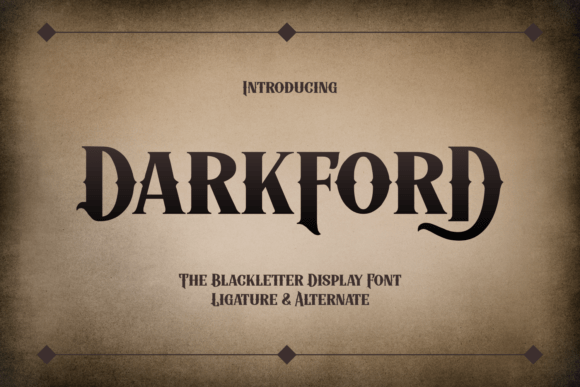
Let’s talk about Darkford. At its core, it is a bold blackletter display font, but calling it just that feels like an understatement. It’s a design tool built for those who want to inject a sense of gravity and drama into their work without sacrificing legibility. Whether you are a game developer working on the next RPG hit, a brand strategist looking to give a client a distinct visual identity, or a crafter designing a wedding invite with a gothic twist, understanding how to wield this typeface can transform your creative output.
The Anatomy of a Heroic Typeface
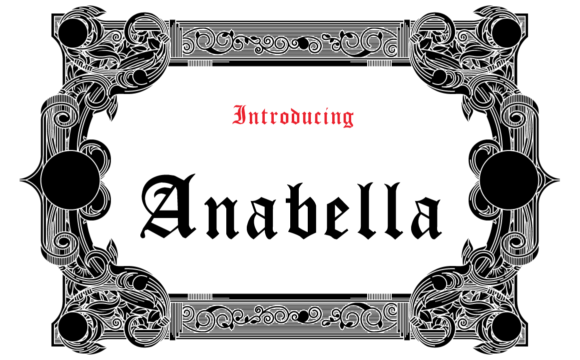
When we look at the visual characteristics of Darkford, the first thing that strikes you is the blend of traditional Gothic flair with sleek, modern details. Old-school blackletter fonts can sometimes feel cluttered or too difficult to read at smaller sizes, which is a nightmare for digital designers. Darkford solves this by utilizing refined strokes and stylized terminals. It keeps the dramatic weight and the "mysterious, heroic vibe" of the Gothic style but cleans up the edges so it feels current.
One of the standout features here is the inclusion of dramatic ligatures and unique alternates. For the uninitiated, ligatures are special characters where two or more letters are joined together to form a single unit. In a font like this, they aren't just functional; they are decorative art pieces. When you type certain letter combinations, they flow into each other with custom curves and flourishes that you wouldn't get with a standard serif font or sans serif font. This gives your text a handcrafted, almost bespoke look that is essential for high-end branding.
Practical Applications: Beyond the Fantasy Poster
It’s easy to slot a font like this into the "fantasy" box and leave it there. Obviously, Darkford is perfect for medieval game titles, book covers for thrillers or historical fiction, and movie posters. But its utility stretches far beyond dragons and castles. Because it possesses that "contemporary edge," it works surprisingly well in modern design contexts where you want to add a bit of grit or weight.
Consider the world of packaging design. If you are a small business owner selling artisanal goods—think craft coffee, small-batch whiskey, or even high-end hot sauce—Darkford offers that rugged, premium look. It suggests that the product inside has been crafted with care and tradition. It stands out on a shelf because it refuses to be generic.
In the realm of digital products and marketing assets, this typeface shines as a hero element. Imagine using it for a podcast logo or the header of a music festival landing page. It creates an immediate focal point. For social media graphics, where you have about two seconds to stop someone from scrolling, a bold, stylized word in Darkford can grab that attention instantly. It’s particularly effective for apparel branding and merchandise; think of the typography you see on high-end streetwear or heavy metal band tees. It translates beautifully to embroidery and screen printing because of its bold strokes.
Pairing and Professional Presentation
A common pitfall with display fonts is overuse. If you set an entire paragraph in a blackletter style, it becomes unreadable—a wall of black ink that readers will simply skip. The key to using Darkford effectively is contrast. This is where your knowledge of font pairing comes into play.
Because Darkford is so ornate and bold, it pairs best with something clean and understated. A simple sans serif font or a clean serif font for your body copy is the perfect companion. Let Darkford handle the headlines, the sub-headers, or the pull quotes. Let the simpler typeface handle the heavy lifting of the actual content. This hierarchy improves readability and ensures your professional presentation doesn't suffer. You want the reader to feel intrigued by the headline, not exhausted by it.
For example, if you are designing a blog layout, use Darkford for the article title and perhaps the category tags, but switch to a legible sans serif for the body text. This creates a rhythm that guides the eye naturally down the page. It’s a balance of the dramatic and the functional.
Testing Your Design Assets
Before you commit to a font for a major brand identity overhaul, you need to test it in its natural habitat. Don't just look at the alphabet in a vacuum. Type out the specific slogans, product names, or headlines you intend to use. Check out those ligatures and alternates—do they enhance the specific words you are using, or do they get in the way?
It is also worth reviewing the commercial licensing considerations. If you are a freelancer or a business owner, ensuring you have the correct license for commercial use is non-negotiable. Most premium font foundries offer different tiers based on usage (desktop, web, app, etc.), so verify that your purchase covers your specific project needs. This protects you legally and supports the type designers who create these intricate assets.
Darkford isn't just a font; it’s a mood setter. It brings a specific energy to a project that few other typefaces can replicate. By understanding its visual weight and pairing it wisely, you can leverage this creative font to build brand recognition and engage your audience on a visceral level. Whether you are designing for print or digital, this typeface offers a bridge between the old world and the new, giving your work a timeless, authoritative voice.