Infuse Authenticity into Every Project with Disney Stories
There is a specific feeling that washes over you when you see a design that truly connects with its audience. It’s that blend of nostalgia, warmth, and genuine personality that cuts through the digital noise. For designers, small business owners, and content creators, capturing that feeling is the holy grail. It’s not just about bright colors or slick layouts; it’s about the voice, and typography is the visual representation of that voice. When you need to convey a sense of handcrafted honesty, playfulness, and approachability, the choice of typeface becomes the most critical decision in your toolkit. This is where a specialized display font like Disney Stories enters the conversation, offering a distinct handwritten style that feels less like a computer-generated asset and more like a personal note from a friend.
The Visual Character of a Handcrafted Typeface
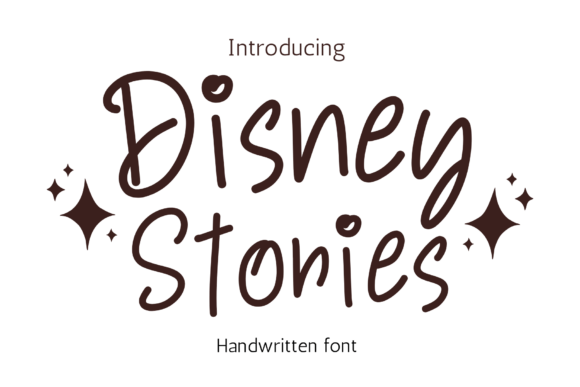
At its core, Disney Stories is a premium font designed to mimic the fluid, imperfect charm of natural handwriting. Unlike rigid sans-serif fonts or formal serifs, a script font of this nature brings an immediate human element to any layout. The visual appeal lies in its irregularity. The letters don't sit in a mathematically perfect line; they dance and sway, creating a rhythm that guides the eye naturally. This type of creative font often features varying baseline heights and slightly different stroke weights, which is exactly what makes it feel authentic. It avoids the sterile look of standard web fonts, making it an excellent choice for projects where emotional connection is a priority.
However, visual appeal must be balanced with functionality. A decorative font like this works best as a display typeface. It is engineered to command attention in headlines, logos, and short bursts of text. When you look at the curves and loops, you see a design that prioritizes style and mood over dense readability. This is a common trait among high-quality handwritten fonts; they are tools for impact, not tools for long-form reading. Understanding this distinction is the first step in using the typeface effectively. You aren't choosing this for your 1,000-word blog post body; you are choosing it for the title that makes the reader stop scrolling.
Strategic Applications for Branding and Packaging
For entrepreneurs and brand strategists, typography is a pillar of brand identity. If your brand voice is friendly, whimsical, vintage, or approachable, Disney Stories can serve as a visual anchor. In logo design, a handwritten style suggests that there is a real person behind the business. It works exceptionally well for boutique bakeries, lifestyle blogs, handmade craft shops, or children’s clothing lines. When a customer sees a logo rendered in a script font, it subconsciously signals a personal touch, distinguishing the brand from faceless corporate giants.
Moving beyond the logo, this font style shines in packaging design. Imagine a coffee bag, a candle label, or a skincare product. Using a serif or sans-serif font might make the product look clinical or generic. However, applying a playful display font to the product name can evoke specific feelings—perhaps a sense of homemade quality or organic ingredients. The key here is hierarchy. Use the handwritten font for the product name or a catchy slogan, but pair it with a clean sans-serif for the ingredient list or instructions to ensure the packaging remains functional and compliant with regulations.
Enhancing Digital Presence: Social Media and Web Design
In the fast-paced world of social media graphics, stopping the scroll is everything. Static images need a focal point, and typography often provides that hook. Content creators can utilize Disney Stories for Instagram quotes, Pinterest pins, or YouTube thumbnails. Because the font embodies playfulness, it can soften the tone of a message, making marketing feel less like a sales pitch and more like a conversation. For example, a call-to-action button or a headline on a landing page rendered in this typeface can increase audience engagement by making the invitation feel personal and less demanding.
In web design, the use of a creative font requires a bit more restraint. As a display font, it should be reserved for H1 or H2 headers, navigation accents, or pull quotes. Pairing is crucial here. To maintain a professional presentation and readability, this handwritten style needs a strong partner. A neutral, geometric sans-serif font works beautifully as a counterweight. The sans-serif handles the heavy lifting of the body text, ensuring the page is easy to scan, while the handwritten headers provide the personality and visual interest. This contrast creates a dynamic visual hierarchy that guides the user’s eye down the page.
Print Materials and Editorial Layouts
While digital is dominant, print design remains a vital medium for many businesses. For invitations, greeting cards, and planners, a handwritten font is often the industry standard. It mimics the look of expensive calligraphy or custom hand-lettering without the associated cost. Wedding stationery, party invitations, and holiday cards benefit immensely from this style because it feels intimate and celebratory.
In editorial design, such as magazine layouts or book covers, Disney Stories can be used to create contrast. If the publication is about travel, food, or lifestyle, a script font can break up the monotony of columns filled with text. It can be used for "pull quotes" or section headers to inject a bit of the editor's personality into the page. However, a word of caution for print designers: always print a test sheet. Screen rendering and print rendering are different beasts. What looks whimsical on a monitor might look blurry on low-quality paper. Ensure the font size is large enough that the ink doesn't bleed into the intricate loops of the letters.
Practical Tips for Font Pairing and Testing
Choosing the right font is only half the battle; knowing how to use it is the other half. One of the most common mistakes in design is "font soup," where too many styles compete for attention. As a rule of thumb, limit your project to two or three fonts. If Disney Stories is your headline font, you need a reliable workhorse for the rest of the content.
- Contrast is Key: Pair the flowing, organic lines of the script with a structured, rigid sans-serif. This prevents the design from looking too chaotic and ensures the body text remains legible.
- Spacing Matters: Handwritten fonts often have tight kerning (space between letters). In headlines, you might need to manually adjust the tracking (letter spacing) to ensure the letters don't collide, which can harm readability.
- Color and Background: Because these fonts are visually complex, they work best on solid, contrasting backgrounds. Avoid placing handwritten text over busy photographs unless you use a solid color overlay or a drop shadow to separate the text from the image.
Before finalizing a design, always test your typography in context. Mock up your logo on a business card, a website header, and a social media post. How does it look when scaled down? A highly detailed script font might lose its definition at very small sizes, turning into an unreadable smudge. This testing phase is vital for maintaining a consistent and professional brand identity across all touchpoints.
Licensing and Long-Term Value
When selecting design assets, particularly for commercial projects, the licensing agreement is just as important as the aesthetic. A premium font like Disney Stories usually comes with specific terms regarding commercial use. Whether you are creating merchandise, digital products, or client work, you must ensure your license covers the intended usage. Using a font without the proper license can lead to legal headaches down the road, which is a risk no small business owner should take.
Investing in a high-quality typeface is an investment in your brand’s visual consistency. Free fonts found on random websites often lack the full character sets or the refined spacing of premium options. They may also lack the necessary licensing for commercial work. By choosing a well-crafted font, you are ensuring that your design assets look polished and unique, helping you stand out in a crowded marketplace. It’s a small detail that signals to your audience that you care about quality in every aspect of your business.
Ultimately, the goal of any design tool is to communicate a message more effectively. Disney Stories offers a specific voice—one that is warm, inviting, and distinctly human. By understanding its strengths and limitations, and by pairing it thoughtfully with complementary typefaces, you can leverage this handwritten font to create designs that not only look beautiful but also resonate deeply with your intended audience. Whether it’s a logo, a wedding invite, or a social media campaign, the right typography turns a simple layout into a story.