Red Band Typeface: The Unapologetic Font for Fierce Branding
A Typeface Forged in Fire
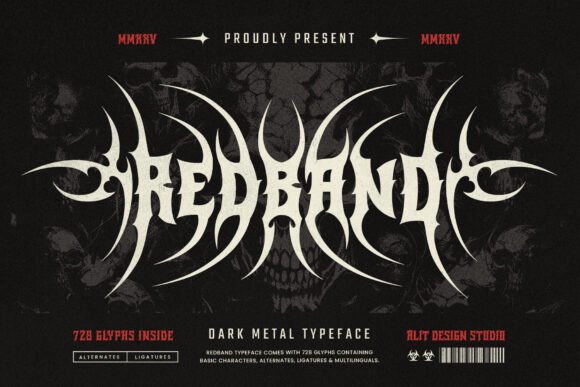
There are designs that whisper, and then there are designs that roar. If your project demands the latter, you need a typographic weapon that doesn't just display letters but embodies an attitude. The Red Band Typeface is precisely that—a display font engineered for visual impact. It draws its DNA from the raw, unfiltered energy of heavy metal album art, gothic architecture, and primal tribal markings. This isn't a font for polite introductions; it's for declarations.
Imagine letterforms that look as if they were carved with a blade, adorned with thorny extensions and sharp, aggressive swashes. The visual language of Red Band is one of rebellion and dominance. Each character feels charged with a chaotic yet controlled power, making it an instant attention-grabber. For designers and creators working in niches where edge and attitude are currency, this typeface moves beyond mere text into the realm of symbolic art.
Where Raw Typography Meets Real-World Projects
Understanding the personality of a font is one thing; knowing where to apply it is where the real value lies. The strength of a display font like Red Band lies in its ability to set a tone instantly. It's a specialized tool, not a workhorse for body copy, but in its niche, it's unparalleled.
Consider its application in brand identity and logo design. For a craft brewery specializing in bold stouts, a tattoo studio with a classic flash art vibe, or an independent metal band, Red Band can become the cornerstone of their visual identity. It communicates a brand promise of intensity and authenticity before a customer reads a single word of copy. The font's inherent texture means a logo doesn't need extensive illustration to feel custom and edgy.
Beyond logos, this creative font shines in applications where short, powerful text is key. Think of packaging design for a hot sauce or a streetwear brand—the font on the label or hangtag can justify a premium perception. In social media graphics, a single word or headline set in Red Band can stop the scroll, creating a cohesive and recognizable aesthetic for a brand's Instagram grid or YouTube thumbnails. For event promoters, it’s perfect for posters and flyers for concerts, horror movie nights, or extreme sports competitions, instantly conveying the event's high-energy spirit.
Practical Advice for Taming the Beast
Using a premium font with such a strong personality requires a thoughtful approach to avoid overwhelming a design. The goal is to harness its power, not let it run rampant. Here are some grounded recommendations for integrating Red Band effectively.
Master the Pairing: The most critical step is font pairing. Red Band's intricate, high-contrast forms demand a calm, clean partner. Pair it with a simple, geometric sans serif font or a highly legible serif font for body text. For example, a headline in Red Band followed by a paragraph in a font like Open Sans or Lora creates a dramatic hierarchy that guides the reader's eye. The contrast lets the headline make its statement while the supporting text remains effortlessly readable.
Context is King: Always consider your audience and medium. This typeface is built for short bursts of text in contexts where its aesthetic aligns with the message. Using it for a children's party invitation or a corporate law firm's website would be a mismatch. However, for a heavy metal festival lineup, a Halloween-themed product launch, or a gaming clan's banner, it’s a perfect fit. Readability considerations are paramount; test it at the intended size to ensure its decorative elements don't blur at smaller scales.
Explore the Included Styles: A quality commercial font often comes with more than one style. Check if the Red Band package includes alternate characters, ligatures, or additional swash versions. These extras allow for greater customization and uniqueness in your logo design or headline, helping you avoid a generic look. Using an alternate 'R' or a special ligature for 'TH' can make a design feel truly bespoke.
Licensing for Growth: If you're a small business owner or creative entrepreneur, understanding the font's license is crucial. Most commercial font licenses are clear, but always verify that the license covers your intended use—whether for a client's logo, merchandise for sale, or digital products. This due diligence protects your project and respects the type designer's work.
Beyond the Obvious: Unexpected Creative Avenues
While its roots are in dark and aggressive themes, a versatile designer can adapt Red Band's energy to other projects. Its visual characteristics—high texture, sharp lines, and a handcrafted feel—can be repurposed.
Imagine it on the cover of a gritty crime novel in an editorial design layout, setting a tone of danger and suspense. It could be used for a limited-edition run of hot sauce or craft beer, where the packaging design needs to scream flavor intensity. For a personal blog or website for a metal music reviewer or a horror content creator, it can be used sparingly for section headers to inject personality into the web design without sacrificing overall usability.
The key is to see the font not as a literal metal emblem, but as a carrier of specific emotions: power, rebellion, craftsmanship, and rawness. By focusing on these underlying qualities, you can apply it in surprising ways that still feel authentic to the project's core message. It becomes a tool for storytelling through modern typography, adding a layer of subtext and visceral appeal that a standard corporate font simply cannot provide.
In the end, choosing a typeface like Red Band is a strategic decision. It's about aligning your visual communication with a specific, powerful frequency. When used with intention and paired intelligently, it doesn't just display words—it amplifies your message, forges a memorable brand identity, and ensures your project is anything but forgettable.