Saddle Ridge: The Bold Slab Serif for Authentic Western Branding
There’s a certain feeling you get when a design just clicks—that moment when the visuals perfectly capture a story, a mood, or a brand’s soul. If your project’s story involves wide-open plains, rugged authenticity, or a touch of frontier spirit, finding the right typographic voice is everything. You need a typeface that doesn’t just sit there but speaks volumes, carrying the weight of tradition and the confidence of a modern brand. That’s where a character-driven display font like Saddle Ridge enters the picture, offering a direct line to that bold, handcrafted aesthetic many creatives and businesses are searching for.
Capturing the Frontier Spirit in Every Letterform
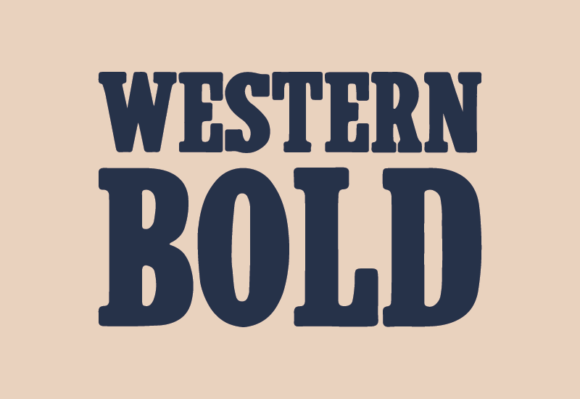
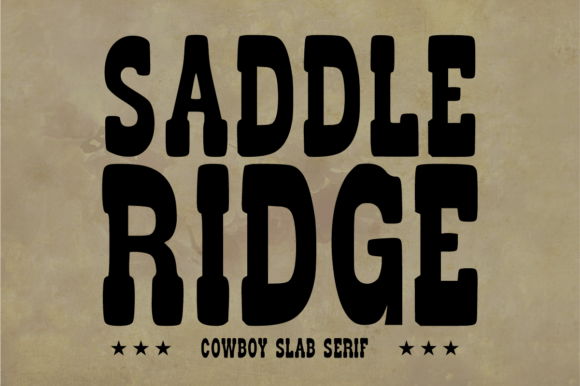
At its core, Saddle Ridge is a bold cowboy slab serif font. What does that mean for your designs? Slab serifs are characterized by their thick, block-like serifs—the small strokes at the ends of letters. This gives them a sturdy, grounded, and incredibly confident appearance. Saddle Ridge takes this classic structure and infuses it with a distinctly Western personality. The letterforms are chunky and heavy, evoking the sturdy construction of old barn wood or the bold stamps on vintage leather goods. It’s a typeface that feels substantial and established, yet its clean lines ensure it remains sharp and highly legible, even at smaller sizes or when used for cutting crafts.
This blend of rugged charm and practical clarity is what makes it such a versatile premium font. It avoids looking dated or overly ornate, instead presenting a timeless quality that can bridge the gap between a nostalgic country theme and a contemporary brand identity. For anyone in the business of creating visual consistency—whether you’re a solopreneur or part of a marketing team—having a display font with this much personality can become a cornerstone of your entire visual language.
From Ranch Gates to Digital Stores: Practical Applications
The true test of any creative font is how it performs in the wild. Saddle Ridge’s bold presence makes it a standout choice for a wide array of projects where you need to make an immediate impression.
- Logo Design & Brand Identity: This is where the font shines. It’s built for logos that need to communicate strength, authenticity, and a touch of adventure. Think boutique ranch brands, outdoor apparel companies, craft breweries with a rustic twist, or even a country-western event venue. It helps build instant brand recognition because its style is so memorable.
- Packaging & Merchandise: Imagine this font on labels for artisanal hot sauce, beef jerky, or small-batch coffee. It translates beautifully onto physical products, adding a warm, handcrafted touch that suggests quality and care. For merchandise like hats, t-shirts, and tote bags, it’s a natural fit.
- Signage & Print Materials: The font’s clean lines are a crafter’s dream, making weeding vinyl for signs or decals a smoother process. Use it for rustic wooden signs in a shop, bold event posters, or eye-catching flyers for a rodeo or country fair.
- Digital Presence: Don’t limit it to the physical world. A bold slab serif can anchor a website’s hero section, create striking social media graphics that stop the scroll, or add flair to blog headers and digital product covers. It brings a strong visual hierarchy to any layout.
Pairing for Purpose: Building a Cohesive Typographic Toolkit
A display font like Saddle Ridge is a star player, but even stars need a supporting cast. Effective font pairing is crucial for maintaining readability and creating a balanced design. The key is contrast and complement.
Because Saddle Ridge has such a strong voice, it pairs best with cleaner, more neutral typefaces for body text. A simple, legible sans serif font or a classic serif font for longer paragraphs will provide a visual rest for the eye, ensuring your message is clear. Avoid pairing it with other highly decorative or script fonts, as they can compete for attention and create visual clutter.
Consider the hierarchy of your project. Use Saddle Ridge for headlines, subheadings, or key calls to action where you want to inject personality. Then, switch to your paired body font for descriptions, details, and supporting information. This approach not only improves professional presentation but also guides your audience’s attention exactly where you want it, boosting audience engagement.
Smart Considerations Before You Saddle Up
Before integrating any new typeface into your workflow, a few practical checks can save time and ensure success. First, always review the full font package. Does it include all the characters you need—like numbers, punctuation, and special symbols? Does it offer stylistic alternates or multilingual support? Understanding the full scope of the design assets you’re getting is key.
Next, test it in context. Don’t just look at it in a font preview window. Type out your actual business name, a sample headline, or a mock-up of your product label. See how it feels with your specific words. Check its readability considerations at the sizes you’ll actually use. For a display font, it’s meant for impact, so ensure it’s not used for fine print or lengthy body copy.
Finally, be clear on licensing. If you’re using the font for commercial projects—whether for a client, your own business, or products you sell—ensure you have the appropriate commercial font license. Reputable font foundries and marketplaces are transparent about this, allowing you to use your assets with confidence and avoid legal headaches down the road.
Choosing a typeface is a foundational design decision. It’s about more than just aesthetics; it’s about communication, emotion, and identity. A bold, character-rich slab serif like Saddle Ridge offers a direct pathway to crafting designs that feel authentic, confident, and deeply connected to a powerful visual tradition. When your project calls for a voice that’s both rugged and refined, it might just be the missing piece that ties your entire creative vision together.