Alif Baa Taa Dotted: The Handwritten Font That Teaches Arabic
Learning a new script can feel like deciphering a secret code, especially one as beautiful and intricate as Arabic. For years, learners and educators have relied on static, printed worksheets that offer little in the way of guided practice. But what if the learning tool itself could guide your hand? This is the simple, brilliant premise behind Alif Baa Taa Dotted, a handwritten Arabic font designed not just to display letters, but to teach you how to write them.
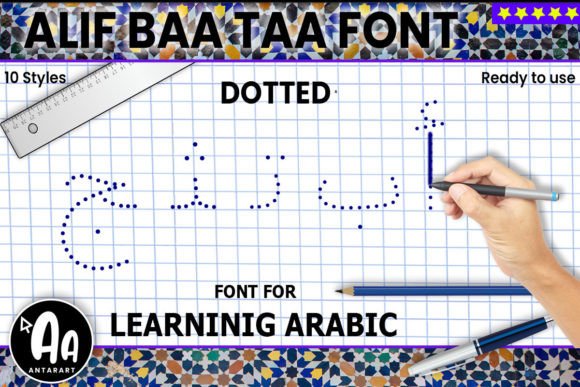
At its core, this typeface is a dotted, traceable version of a natural, flowing Arabic script. Each character appears as a series of connected points, inviting the user to follow the path with a pen or pencil. It transforms passive recognition into active muscle memory. For a language where letterforms change shape depending on their position in a word, this hands-on approach is invaluable. It’s a premium font asset that bridges the gap between seeing and doing, making it an essential resource for anyone serious about mastering Arabic calligraphy or creating authentic educational materials.
Beyond the Classroom: A Font for Creative Projects
While its primary function is educational, the aesthetic appeal of Alif Baa Taa Dotted extends far beyond the worksheet. The dotted, handwritten style carries a distinct personality—personal, crafted, and approachable. This makes it a surprisingly versatile tool for designers and creators looking to infuse projects with a human touch.
Imagine using it for a boutique brand that wants to communicate authenticity and craftsmanship. The dotted texture adds a layer of tactile interest, perfect for packaging design for artisanal goods, like a spice company or a handmade soap business. It feels personal, as if the label was hand-lettered just for the customer.
In the digital space, it stands out in a sea of clean, sterile sans-serif fonts. Use it for social media graphics to create engaging, educational posts about Arabic language and culture. It can add a unique, cultural flair to website headers for travel blogs, recipe sites featuring Middle Eastern cuisine, or online stores selling handmade crafts. The font’s inherent warmth makes it ideal for invitations to cultural events, wedding stationery with a personal touch, or editorial layouts in magazines focusing on lifestyle and heritage.
Practical Tips for Working with a Dotted Typeface
Integrating a specialty font like this into your design workflow requires a bit of thought to maximize its impact. Here’s how to use it effectively.
- Pairing is Key: A dotted, handwritten font is a display font, meant for headlines, logos, or short bursts of text. Pair it with a clean, highly readable serif or sans-serif font for body copy. This creates a beautiful contrast—the personal, artistic headline draws the eye, while the clean text ensures your message is easily absorbed.
- Readability Matters: Because of its dotted nature, avoid using Alif Baa Taa Dotted for long paragraphs or small body text. It’s not designed for that. Use it for titles, pull quotes, logos, or decorative elements where its unique character can shine without compromising clarity.
- Test for Your Medium: Always test how the font renders in your final medium. On a high-resolution screen, the dots will be crisp. On lower-quality print or certain paper stocks, the dots might bleed together. A quick test print can save you from a costly mistake on a large print run.
- Explore Its Full Potential: Check if the font comes with alternate characters, ligatures, or stylistic sets. These extras can give you more creative control, allowing you to vary the look of repeated letters and make your designs feel even more authentic and hand-crafted.
Building a Cohesive Brand Identity
For small business owners and entrepreneurs, typography is a cornerstone of brand identity. The fonts you choose silently communicate your brand’s values. Using Alif Baa Taa Dotted for a brand centered on education, culture, or artisanal quality sends a clear message. It says you value tradition, personal connection, and hands-on craftsmanship.
Consider a language tutoring service. Using this font in their logo and marketing materials instantly visually communicates their specialty. It’s not just telling you they teach Arabic; it’s showing you the method. This kind of visual consistency across a website, social media, and printed business cards builds strong brand recognition. Customers begin to associate that distinctive dotted script with your specific offering, making your brand more memorable and professional.
Similarly, a content creator focusing on cultural exchange could use it as a signature element in their video thumbnails or blog post headers, creating a recognizable visual hook for their audience. It turns a simple piece of text into a brand asset.
A Tool for Learning and Creating
The true power of Alif Baa Taa Dotted lies in its dual nature. It is simultaneously a practical learning resource and a creative design asset. For educators, it’s a shortcut to creating thousands of customized worksheets, flashcards, and activity sheets without needing specialized graphic design software. You can type out any word or phrase, and it automatically becomes a tracing exercise.
For designers and marketers, it’s a way to tap into the growing appreciation for global cultures and authentic, handmade aesthetics. It allows you to create designs that feel respectful, informed, and visually engaging. Whether you’re designing a logo for a new business, creating packaging that tells a story, or crafting social media content that educates and inspires, this typeface provides a unique tool to do so.
In a world saturated with digital perfection, the imperfect, human quality of a dotted, handwritten font is refreshing. It invites interaction, sparks curiosity, and adds a layer of authenticity that polished, generic fonts often lack. It’s more than just a set of characters; it’s a bridge between learning and creating, between tradition and modern design.