Estarossa: The Modern Handwritten Font for Elegant Designs
Every now and then, a typeface comes along that stops you mid-scroll. It’s the kind of font that feels both timeless and fresh, instantly elevating a design from ordinary to extraordinary. That’s the power of a well-crafted script. If you’ve been searching for that perfect blend of sophistication and organic charm, you may have just found your match. This particular style captures a fluid, modern calligraphy aesthetic that feels personal yet polished, making it a versatile tool in any creative arsenal.
The Visual Allure of Fluid Typography
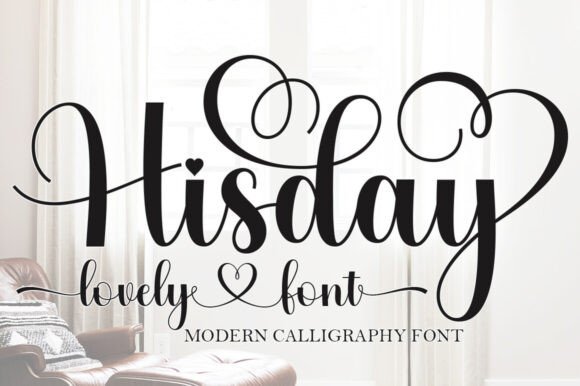
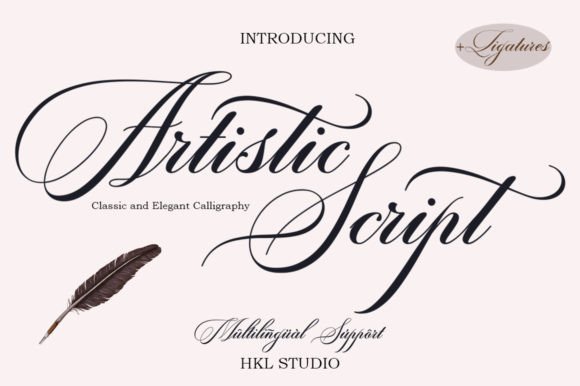
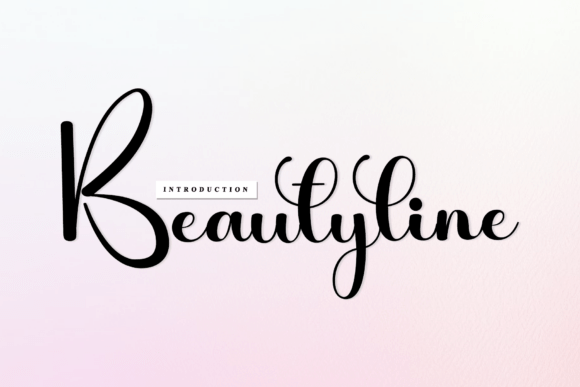
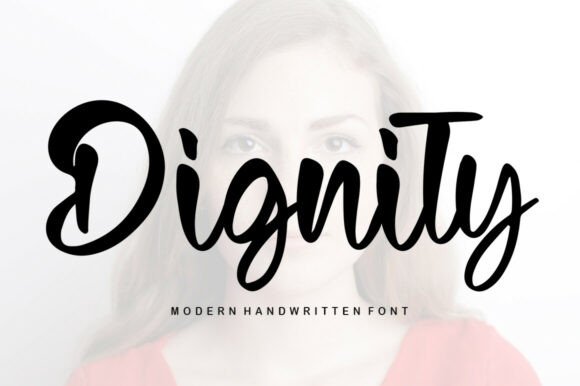
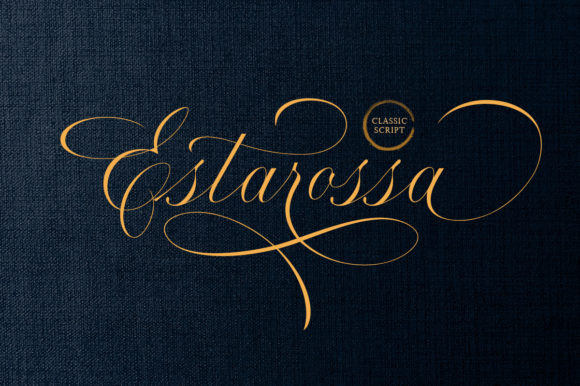
What sets this specific design apart is its balance. It avoids the extremes of overly casual, messy handwriting and stiff, formal calligraphy. Instead, it occupies a beautiful middle ground where elegance meets approachability. The letterforms exhibit a natural flow, with graceful connections and subtle variations in stroke width that mimic the movement of a high-quality brush pen. This gives any text a human touch, injecting warmth and personality into digital and print projects alike.
For designers and brand strategists, this visual quality is invaluable. A typeface with this level of refinement can communicate luxury, care, and attention to detail without a single word of copy. It’s a premium font choice that speaks volumes through its form. Whether you’re crafting a headline for a lifestyle blog or designing a logo for a boutique business, the aesthetic here is designed to captivate and hold attention, creating an immediate emotional connection with the viewer.
Practical Applications Across Creative Projects
The true test of a great typeface is its versatility. This handwritten font shines in a multitude of contexts, proving its worth far beyond a single use case. Its sophisticated look makes it a natural fit for branding and logo design, where establishing a distinct and memorable identity is paramount. Imagine it gracing the logo of a high-end florist, a bespoke stationery company, or a modern wedding planner—it instantly conveys the right message of elegance and custom service.
Beyond logos, its applications are extensive:
- Packaging & Labels: It can transform product packaging for artisanal goods, cosmetics, or gourmet foods, suggesting craftsmanship and premium quality.
- Digital & Social Media: Use it to create scroll-stopping social media graphics, stylish Instagram quotes, or cohesive story templates. It also adds personality to website headers and blog post titles, enhancing reader engagement.
- Print & Editorial: In print, it’s perfect for invitations, thank you cards, magazine mastheads, and poster headlines where a personal, artistic touch is desired.
- Merchandise & Marketing: Think of elegant apparel prints, tote bag designs, or sophisticated marketing assets like business cards and brochures that need to stand out.
For content creators and bloggers, integrating this script font into digital products—like downloadable planners, e-book covers, or online course materials—adds a layer of professionalism and visual appeal that can significantly increase perceived value.
Enhancing Your Brand with Strategic Typography
Choosing a font is a strategic decision that impacts your entire brand identity. A typeface like this one can be a cornerstone for building visual consistency. When used correctly across all touchpoints—from your website to your packaging to your social media—it creates a cohesive look that strengthens brand recognition. Your audience begins to associate that specific, elegant script with your business, making you more memorable in a crowded market.
However, readability must always be considered. While beautiful, script fonts are best used for headlines, short phrases, or accent text rather than long paragraphs of body copy. The key is to pair it thoughtfully. A classic sans-serif or a clean serif font makes an excellent partner, providing a solid, readable foundation while allowing the script to take center stage for impactful moments. This font pairing strategy ensures your designs are both beautiful and functional.
Another practical advantage is its technical accessibility. Being PUA encoded means you can easily access all the special characters, swashes, and ligatures the designer included. This isn’t just a technical detail; it’s a creative unlock. Those extra flourishes allow you to customize the look of your text, creating unique letter combinations for logos or monograms that feel truly one-of-a-kind, all without needing advanced design software skills.
Making the Most of Your Font Choice
Before finalizing any design, take the time to explore the full character set. Test different swashes and alternate letters to see how they alter the font’s personality. A swash on a capital ‘E’ can change the entire feel of a word. Also, consider the context of your project. For a formal event invitation, you might use the standard, elegant version. For a more playful brand, incorporating a few stylistic alternates could be the perfect touch.
When selecting a commercial font, always review the licensing. A premium font typically comes with a license that allows for both personal and commercial use, but it’s crucial to understand the terms, especially if you plan to use it in products for sale or in client work. Ensuring you have the proper license protects your projects and respects the work of the type designer.
Ultimately, the best font is one that aligns with your project’s goals and resonates with your target audience. This particular typeface offers a blend of modern sophistication and handwritten warmth that can help bridge that gap. It’s not just about making text look pretty; it’s about choosing a design asset that communicates your brand’s story, enhances your message, and connects with people on a visual level. By applying it strategically and thoughtfully, you can harness its full potential to create designs that are not only seen but truly felt.