Anybody Font: Your Secret Weapon for Elegant, Authentic Design
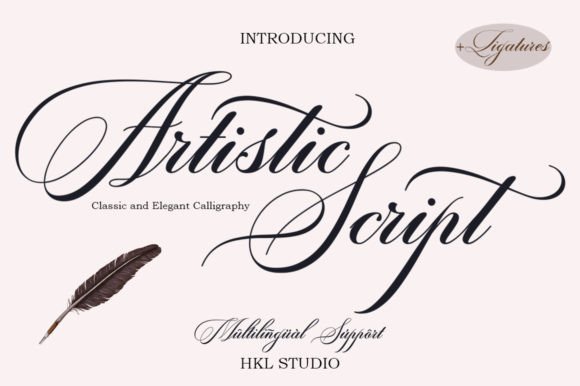
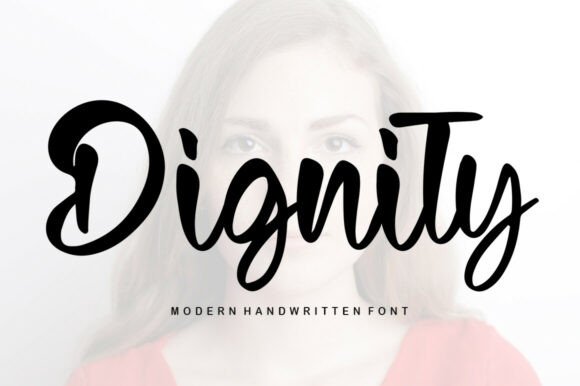
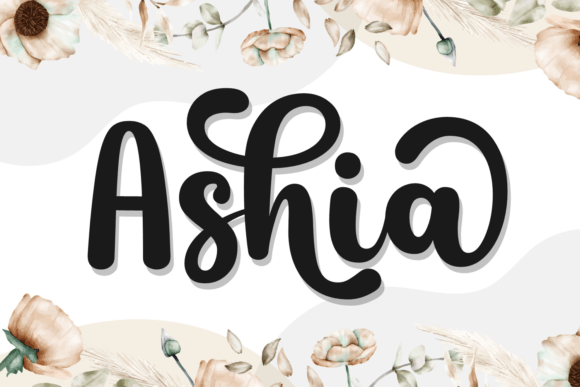
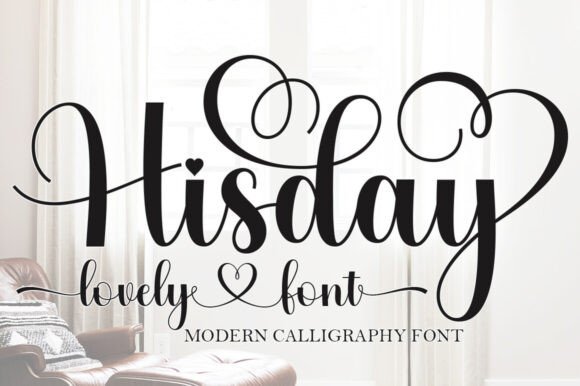
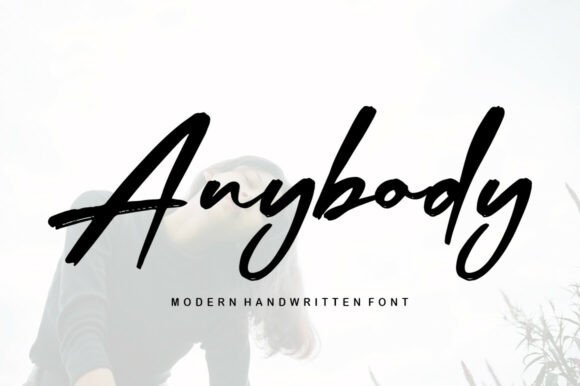
There’s a moment in every creative project when the typeface either clicks into place or throws everything off. You’ve got the color palette dialed in, the imagery is strong, the copy is sharp—but the font feels cold, generic, or just plain wrong. That’s where a typeface with genuine personality changes everything. Anybody is a delicate, elegant, and flowing handwritten font. It has beautiful and well-balanced characters and as a result, it matches a wide pool of designs. But what does that actually mean for your next project, your brand, or your business? Let’s break it down.
More Than Just a Pretty Script
At first glance, Anybody looks like a classic handwritten font—soft, organic, and full of warmth. But spend a minute with it and you’ll notice something more refined. The letterforms are carefully balanced, with consistent stroke widths and thoughtful spacing that you don’t always find in script fonts. This isn’t a chaotic, messy scrawl. It’s a premium font that feels personal without sacrificing clarity.
That balance is what makes Anybody so versatile. It bridges the gap between a casual, approachable vibe and a polished, professional presentation. Whether you’re designing a wedding invitation or a social media ad for a boutique skincare line, it brings a human touch that digital fonts often lack.
Where Anybody Truly Shines: Real-World Applications
Let’s talk practical use. A font is only as good as how and where you use it. Here’s where Anybody earns its place in your design toolkit:
- Branding & Logo Design: If your brand identity leans toward warmth, creativity, or artisanal quality, Anybody can anchor your logo. It pairs beautifully with a clean sans serif font for a balanced, modern look—think a coffee roaster’s logo or a handmade jewelry brand.
- Packaging Design: On product labels, especially for cosmetics, food, or boutique goods, the font’s elegance adds perceived value. It whispers “crafted with care” rather than shouting “mass-produced.”
- Social Media Graphics: In a feed full of bold, blocky text, a flowing script font stops the scroll. Use it for quotes, announcements, or header text on Instagram Stories and Pinterest pins to add a touch of sophistication.
- Web Design & Blogs: While it’s not meant for body copy (never set a whole paragraph in a script!), Anybody works wonderfully for website headers, pull quotes, or accent text. It draws the eye and sets a mood instantly.
- Print Materials & Invitations: This is its natural habitat. Wedding suites, event programs, thank-you cards, and boutique stationery all benefit from its flowing, personal character.
- Editorial Layouts & Digital Products: Magazine headlines, chapter titles in eBooks, or styled text in digital planners can use Anybody to add visual interest and break up monotony.
- Marketing Assets: From email newsletter headers to sale banners, using a creative font like Anybody for key phrases can boost engagement and make your promotions feel less transactional.
Choosing the Right Style for Your Project
Anybody isn’t just one font—it’s a family. Before you download, take a moment to review the included font styles. Does it come with multiple weights? Are there alternate characters or swashes? Understanding what’s in the package helps you use it more effectively.
For a subtle, understated look, opt for the regular weight. Need more impact? A bold or semi-bold version can stand up to larger sizes and bolder color backgrounds. If the font includes stylistic alternates—like different versions of the letter ‘g’ or ‘y’—experiment with them. These small details can make your design feel custom and intentional.
Also, consider the font pairing. Anybody’s delicate nature means it needs a strong partner. A geometric display font or a sturdy serif font can provide contrast and hierarchy. Try pairing it with a font like Montserrat for headings and use Anybody for accent text. The key is balance: let the script be the highlight, not the entire show.
Readability: The Non-Negotiable Rule
Here’s a hard truth: even the most beautiful font fails if people can’t read it. Anybody’s well-balanced characters help, but context is everything.
Use it at larger sizes for headlines, logos, and short phrases. Avoid setting it in small sizes for body text or lengthy paragraphs—script fonts become hard to decipher when they’re tiny. Always test your design at the actual size it will be viewed. Print a sample or view it on multiple screens. If your audience has to squint or guess at letters, you’ve lost them.
Color contrast matters too. Light gray Anybody text on a white background might look elegant in your design software, but it could disappear on a phone screen in bright sunlight. Ensure there’s enough contrast between the text and its background for easy reading.
From Hobbyist to Professional: Licensing and Commercial Use
If you’re using Anybody for a personal blog or a one-off craft project, licensing might be straightforward. But the moment money changes hands—whether it’s a client project, merchandise for sale, or a paid digital product—you need to check the commercial font license.
Most premium fonts, including Anybody, come with clear licensing terms. Read them. Does the license cover the number of users or devices you need? Can you use it in products for sale, like T-shirts or mugs? Are there restrictions on embedding in digital products? Getting this right upfront saves legal headaches later and supports the type designers who created the work.
Making Anybody Work for Your Brand
Ultimately, a font is a tool for communication. Anybody’s strength lies in its ability to convey elegance, authenticity, and a human touch. It’s not the right choice for a tech startup’s annual report or a law firm’s website. But for a lifestyle brand, a creative agency, a bakery, or a photographer’s portfolio, it can become a core part of your visual identity.
Start by defining the emotion you want to evoke. Is it warmth? Sophistication? Playful elegance? Then, use Anybody intentionally. Apply it to specific elements where you want that personality to come through—your main headline, your signature, a call-to-action phrase. Let it do its job without overuse.
The best designs feel cohesive. When your typography, imagery, and color all tell the same story, your audience feels it, even if they can’t articulate why. A font like Anybody, used thoughtfully, can be the thread that ties your entire visual narrative together. It’s not just about looking good—it’s about connecting, on a human level, with the people you want to reach.