Dignity: An Elegant Handwritten Font for Timeless Design
Sometimes, a design calls for more than just clean lines and perfect geometry. It needs a human touch—a sense of warmth, personality, and authenticity that pixels alone can't always convey. This is where a thoughtfully crafted script font steps in, offering a bridge between digital precision and the organic feel of hand-lettering. For projects that aim to feel personal, luxurious, or heartfelt, the choice of typeface is a foundational decision that sets the entire mood.
The Visual Appeal of a Handwritten Script
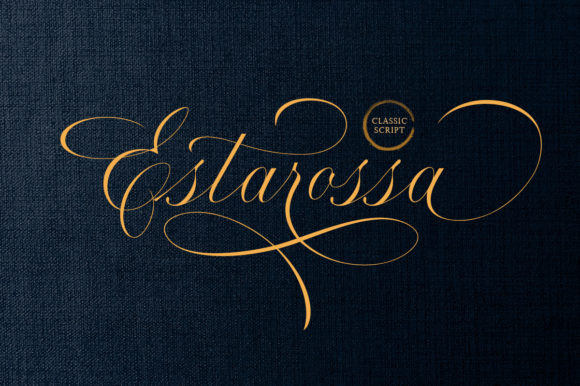
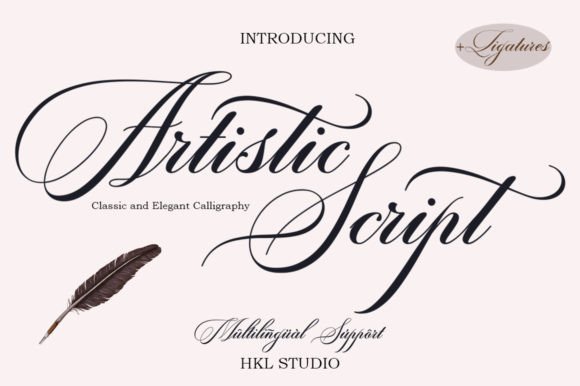
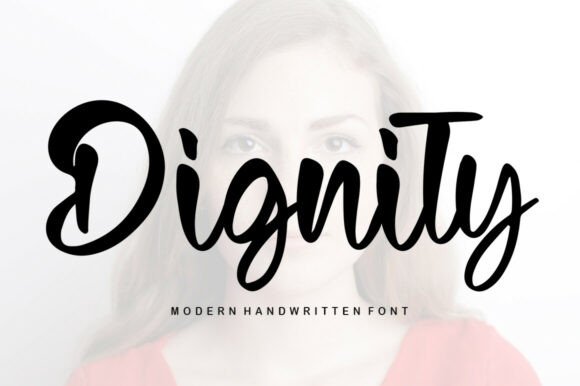
Dignity is a stylish and incredibly elegant handwritten font. Its design balances fluidity with structure, creating letterforms that feel both natural and refined. Unlike some script fonts that can be overly casual or difficult to read, Dignity maintains a sophisticated clarity. The strokes have a subtle variation in weight, mimicking the pressure of a real pen or brush, which adds depth and movement. This isn't a font that shouts; it whispers with confidence. Its beauty lies in its versatility—it can look stunning on a delicate wedding invitation or add a personal signature to a bold logo. For designers and creators, this means having a tool that adapts to different emotional contexts without losing its core character.
Where This Font Truly Shines: Practical Applications
Understanding where a font like this excels is key to using it effectively. It’s not meant for body text in a lengthy report, but rather for moments where impact and emotion are paramount.
For Branding and Identity: If you're building a brand for a boutique hotel, a high-end skincare line, a photography studio, or a personal coaching service, Dignity can become the cornerstone of your visual identity. Used in a logo, it immediately communicates elegance and a personal approach. Paired with a clean sans-serif for supporting text, it creates a balanced and professional brand system that feels both luxurious and accessible.
In Print and Packaging Design: Think about the unboxing experience. A handwritten font on a thank-you card, a product label for artisanal goods, or the packaging for a candle or perfume instantly elevates the perceived value. It tells the customer that care and attention to detail have been poured into every aspect. Similarly, for event stationery—save-the-dates, menus, or place cards—this font adds a bespoke, celebratory feel.
Digital Presence and Content: On websites and blogs, use it strategically for pull quotes, section headers, or to highlight a special announcement. It breaks the monotony of standard web fonts and draws the reader's eye. For social media graphics, it’s perfect for creating eye-catching Instagram stories, Pinterest pins, or Facebook headers that stand out in a crowded feed. Imagine a quote graphic for a wellness brand or a sale announcement for a fashion boutique—this font adds that crucial touch of personality.
Marketing and Editorial: In brochure layouts, poster headlines, or magazine pull-quotes, it adds a layer of sophistication. It can guide the reader’s attention and inject a human voice into corporate or commercial messaging. For digital products like e-book covers or course graphics, it helps establish the creator's unique aesthetic.
Choosing and Pairing Fonts: A Practical Guide
Adopting a new font into your toolkit is exciting, but a bit of strategy ensures it works for you, not against you.
Readability First: Always test your chosen text at the size it will be used. A beautiful script can become illegible if used too small or for long sentences. Reserve it for headlines, subheads, and short, impactful phrases. Check the spacing between letters and words; sometimes a slight adjustment in tracking can make all the difference.
The Art of Font Pairing: Dignity’s strength is amplified when it’s paired correctly. Its elegant, flowing nature pairs exceptionally well with a simple, geometric sans-serif font. Think of it as a conversation: the script font provides the expressive, emotional headline, while the sans-serif delivers the clear, readable information. Avoid pairing it with another ornate or script font, as this creates visual competition and confusion.
Understanding the Family: Many premium fonts come with multiple styles. Does Dignity include alternates, ligatures, or different weights? These extras are valuable. Alternates can give you different stylistic options for specific letters, allowing you to customize the look further and avoid repetition in longer words. Ligatures create smoother connections between certain letter pairs, enhancing the natural flow. Taking the time to explore these features unlocks the font's full potential.
Integrating a Creative Font into Your Workflow
For small business owners and content creators, a font is a design asset, much like a photo library or a color palette. Incorporating Dignity into your projects is straightforward. Once installed, it appears in your design software’s font menu, ready for use in Adobe Illustrator, Photoshop, Canva, Procreate, or even in your website’s CSS if you have the proper web license.
A key consideration is licensing. Always review the license that comes with a commercial font. It will specify whether it’s for personal use, commercial use, or if a special web font license is required for online embedding. Respecting licensing terms protects you legally and supports the designers who create these valuable tools.
Ultimately, the goal of using a typeface like Dignity is to enhance communication. It helps build a visual consistency that strengthens your brand’s recognition. When your audience sees that distinctive, elegant script across your social media, your website, and your product packaging, it builds familiarity and trust. It transforms a simple message into a memorable experience, making your work not just seen, but felt.