Good Night Font: Where Artisan Craft Meets Modern Branding
There’s a particular kind of warmth that a hand-lettered sign on a bakery window conveys, or the elegant script on a bottle of small-batch liqueur. It’s a feeling of care, of story, of something made with intention. In a digital landscape crowded with geometric sans-serifs and stark minimalism, that human touch has become a powerful differentiator. This is precisely the space where the Good Night font excels, offering a bridge between artisanal authenticity and polished, contemporary design. It’s not just a script typeface; it’s a tool for injecting personality and sophistication into a brand’s visual voice.
The Anatomy of an Artisan Script
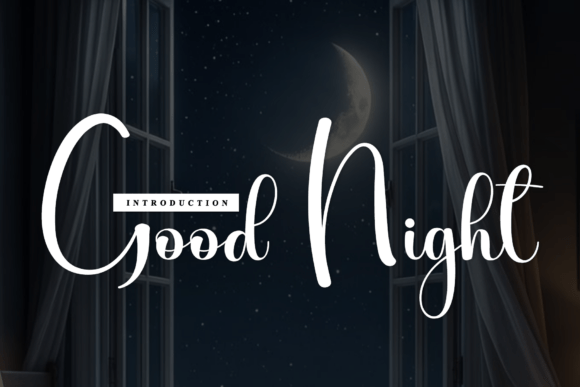
What immediately sets Good Night apart is its sophisticated rhythm. It’s a calligraphic script, but one that feels less like hurried cursive and more like the practiced hand of a lettering artist. The defining feature is its sweeping, looping ascenders—the tall parts of letters like ‘l’, ‘h’, and ‘b’. These flourishes aren’t overdone; they create a sense of fluid, customized artistry without sacrificing legibility. The letterforms maintain a beautiful consistency, with a natural weight that feels organic, as if written with a quality brush pen. This balance is key. It avoids the overly casual look of some handwritten fonts and the rigid formality of others, landing in a sweet spot that feels both luxurious and approachable.
Where This Script Truly Shines: Practical Applications
Understanding a font’s visual personality is one thing; knowing where to deploy it is where strategy comes in. Good Night’s aesthetic makes it exceptionally versatile for projects aiming to convey quality, craftsmanship, and a touch of elegance.
- Artisanal Food & Beverage Branding: This is its natural habitat. Imagine it on labels for organic jams, craft coffee roasters, boutique wineries, or gourmet chocolate. It instantly communicates the care and premium quality behind the product.
- Boutique Product Packaging: Beyond food, think cosmetics, candles, handmade soaps, or stationery. Good Night can elevate the unboxing experience, making a product feel special and thoughtfully curated.
- Upscale Lifestyle & Event Marketing: For wedding invitations, gala programs, high-end restaurant menus, or spa brochures, this font adds a layer of romantic sophistication and exclusivity.
- Creative Editorial & Titles: Use it for blog headers, magazine feature titles, or book chapter headings to draw readers in with a stylish, personal tone. It pairs beautifully with clean serif or sans-serif body text.
- Digital Presence & Social Media: A logo set in Good Night can become the cornerstone of a recognizable Instagram aesthetic. It works wonderfully for quote graphics, promotional announcements, and website hero sections where you want to make an immediate emotional impact.
Building a Cohesive Visual Identity
A font choice is never just about a single element; it’s a building block for a larger system. Incorporating a premium font like Good Night into your brand’s typography toolkit can significantly enhance several key areas.
First, it fosters visual consistency. When you use a distinctive script across your logo, social media graphics, and packaging, you create a thread that ties all your customer touchpoints together. This consistency is fundamental to building brand recognition. Second, its inherent elegance contributes to a professional presentation. It signals that you’ve invested thought into your brand’s aesthetic, which builds trust with your audience. Finally, its unique character drives audience engagement. A beautiful, well-chosen display font can stop a scroller in their tracks, make a reader linger on a page, and create a memorable impression that a standard system font simply cannot.
Making It Work: Practical Typography Tips
Adopting a strong script font like Good Night requires a bit of thoughtful implementation to ensure it enhances, rather than hinders, your design.
- Prioritize Readability: As a display or headline font, Good Night is perfect for short bursts of text—logos, titles, pull quotes. Avoid setting entire paragraphs in it. Its strength is in its impact at larger sizes.
- Master the Pairing: The real magic happens when you pair it. For a timeless look, combine it with a clean, geometric sans-serif (like Montserrat or Futura) for body copy. For a more classic, literary feel, pair it with a transitional serif (like Georgia or Baskerville). The contrast will make both fonts stand out.
- Test Rigorously: Always test your chosen font pairings in context. See how they look on a mobile screen, in a printed brochure, and on a textured background. Check the spacing (kerning) between specific letter pairs, especially where the loops might create awkward gaps.
- Explore the Styles: Many premium fonts come with a family of styles. Good Night may include alternates, ligatures, or different weights. Exploring these can give you more creative control and help solve specific spacing or aesthetic issues in your layout.
- Understand the License: This is a critical, often overlooked step. If you’re using Good Night for a client project, merchandise for sale, or a widely distributed digital product, ensure you have the correct commercial license. This protects both you and the font creator and is a hallmark of professional practice.
Choosing the right typeface is a fundamental design decision that communicates volumes before a single word is read. Good Night offers a compelling solution for brands and creators who want to blend artisanal warmth with modern clarity. It’s more than just a script font; it’s a strategic asset for telling a story of quality, care, and sophisticated taste. When applied thoughtfully, it has the power to transform the ordinary into the memorable, making every project it touches feel a little more crafted, a little more human.