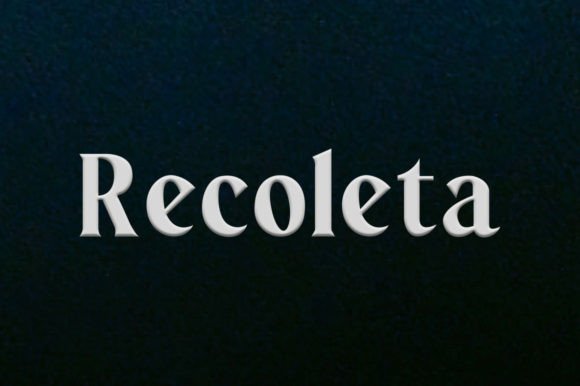
Recoleta: The Elegant Serif Font for Sophisticated Branding
There’s a moment in every creative project when the typeface you choose either elevates the entire concept or leaves it feeling flat. For designers and brand builders seeking a font that whispers luxury without shouting, Recoleta offers a compelling solution. This delicate serif typeface balances graceful sophistication with surprising versatility, making it a go-to choice for projects that demand both elegance and approachability.
A Typeface with Quiet Confidence
What sets Recoleta apart from other serif fonts is its nuanced personality. The letterforms feature gentle curves and refined strokes that create visual harmony without appearing stiff or overly formal. Each character carries a sense of intentional design—the serifs are present but never aggressive, the spacing feels naturally balanced, and the overall rhythm of the typeface invites readers to linger rather than rush.
This quality makes Recoleta particularly effective for brands operating in spaces where perception matters. Think about boutique skincare lines, artisanal food products, high-end consulting services, or independent fashion labels. These businesses often need typography that communicates quality and attention to detail, but without the coldness that some traditional serifs can convey.
Practical Applications Across Creative Projects
The beauty of a well-crafted typeface like Recoleta lies in its adaptability. While it shines in premium branding contexts, its applications extend far beyond luxury logos. Consider how it might transform these everyday design needs:
- Brand Identity Systems: Recoleta works beautifully for primary logos, secondary wordmarks, and supporting typography throughout brand guidelines. Its elegance helps establish immediate visual credibility.
- Packaging Design: For products sitting on crowded shelves or photographed for e-commerce, this font adds shelf appeal. The delicate serifs catch light in interesting ways, creating depth that sans serif alternatives often lack.
- Social Media Graphics: In feeds dominated by bold, loud typography, Recoleta offers a refreshing alternative. It’s particularly effective for quote graphics, promotional announcements, and branded content templates that need to stand out through sophistication rather than volume.
- Editorial Layouts: Whether designing magazine features, lookbooks, or digital publications, Recoleta brings cohesion to headline and body text combinations. Its readability at various sizes makes it versatile for both large display settings and smaller supporting text.
- Web Design: When implemented thoughtfully, serif fonts like Recoleta can dramatically improve website aesthetics. It pairs well with clean sans serifs for navigation and body copy while commanding attention in hero sections and key headlines.
- Print Materials: Business cards, letterheads, and promotional materials gain immediate sophistication. The font reproduces well across different printing methods, maintaining its delicate character whether embossed, foil stamped, or simply printed.
- Invitations & Event Materials: For weddings, galas, or exclusive launches, Recoleta sets the right tone. Its elegance communicates the importance of the occasion without appearing pretentious.
- Digital Products: E-books, online course materials, and downloadable resources benefit from typography that enhances perceived value. Readers associate thoughtful font choices with quality content.
Building Visual Consistency and Brand Recognition
One of the most significant advantages of selecting a distinctive yet versatile typeface like Recoleta is the consistency it brings to brand communications. When customers encounter the same elegant typography across your website, packaging, social media, and marketing materials, they begin to associate that visual language with your business.
This consistency builds recognition over time. Think about how instantly you recognize brands like Vogue or Harper’s Bazaar—their typography choices are as much a part of their identity as their logos. While your business might not operate at that scale yet, the principle remains valuable. A cohesive typographic approach signals professionalism and attention to detail, qualities that resonate with discerning audiences.
Recoleta’s design supports this consistency because it works across multiple contexts without losing its character. The same typeface that looks stunning on a wedding invitation can be adapted for a business website, creating a seamless experience for customers who encounter your brand in different places.
Choosing the Right Style and Pairing Strategy
Most premium fonts like Recoleta come with multiple weights and styles—regular, italic, bold, and sometimes condensed or extended versions. Before committing to a particular style, consider how you’ll actually use the font in your projects:
- For headlines and display text: Regular or medium weights often work best, maintaining elegance while ensuring readability at larger sizes.
- For emphasis or callouts: Italics can add sophistication without disrupting visual flow.
- For supporting text: Light or regular weights at smaller sizes maintain readability while preserving the font’s delicate character.
Font pairing is where many designers struggle, but Recoleta’s balanced design makes this relatively straightforward. Consider these approaches:
- With clean sans serifs: Fonts like Montserrat, Lato, or Open Sans provide excellent contrast. Use Recoleta for headlines and the sans serif for body text to create visual hierarchy.
- With geometric sans serifs: Pairing with Futura or Avenir creates a modern yet timeless aesthetic that works well for contemporary brands.
- With other serifs: For projects requiring multiple serif fonts, choose one with distinctly different characteristics—perhaps a transitional or slab serif—to avoid visual competition.
Always test your pairings in context. Create mockups that reflect how the typography will actually appear in your project—on a website homepage, product packaging, or social media template. What looks good in isolation might feel different when combined with images, colors, and other design elements.
Readability Considerations for Real-World Use
While Recoleta’s elegance is undeniable, practical application requires attention to readability. Delicate serifs can sometimes lose clarity at very small sizes or on low-resolution screens. Here are some practical guidelines:
- Screen usage: For web and digital applications, ensure adequate font size and line spacing. Recoleta typically performs well at 16px and above for body text, though testing on actual devices is essential.
- Color contrast: Pair with sufficient color contrast between text and background. Light gray text on white backgrounds might look sophisticated in mockups but fails accessibility standards.
- Print applications: At smaller print sizes, consider slightly increasing weight or ensuring high-quality printing methods that preserve the font’s delicate details.
- Accessibility: Always prioritize readability over pure aesthetics. A beautiful font that people struggle to read undermines its purpose.
Licensing and Commercial Use Considerations
Before incorporating any font into commercial projects, understanding licensing is crucial. Most premium typefaces like Recoleta come with specific terms regarding:
- Desktop vs. web licensing: Different licenses for different applications. Using a desktop-licensed font on a website without proper web licensing can create legal issues.
- Number of users or installations: Some licenses limit how many computers can install the font or how many team members can use it.
- Project restrictions: While most commercial fonts allow broad usage, some have restrictions on certain types of applications or require additional licensing for specific uses.
- Modification rights: Whether you can alter the font files for custom applications.
Always purchase fonts from reputable sources and keep records of your licenses. This protects both your business and the type designers who create these valuable assets.
Final Thoughts on Selecting Typography for Your Brand
Choosing a typeface like Recoleta represents more than just a design decision—it’s a strategic choice about how you want your audience to perceive your brand. The font’s delicate serifs and graceful proportions communicate sophistication, attention to detail, and a commitment to quality. For businesses and creatives operating in spaces where aesthetics matter, this kind of visual communication can be transformative.
Remember that typography rarely works in isolation. The most effective brand identities consider how fonts interact with color palettes, imagery, voice, and overall design philosophy. Recoleta provides an excellent foundation, but its true power emerges when integrated thoughtfully into a cohesive visual system.
Take time to experiment with the font in your specific context. Create test designs, gather feedback from your target audience, and refine your approach. The right typography should feel inevitable once you find it—like it was always meant to be part of your brand’s story. For many designers and brand builders, Recoleta becomes exactly that: the missing piece that brings their visual vision to life with elegant precision.