Retro Bold: Your New Secret Weapon for Unforgettable Design
You know the feeling. You're scrolling through a sea of slick, minimalist logos and clean sans-serif websites, and suddenly, something stops you. It's a logo with a bit of character, a social media post that feels genuinely warm, or packaging that whispers of a bygone era without feeling outdated. That instant connection, that spark of personality, often comes down to one powerful design choice: the right typeface. If you're aiming to inject that same captivating, nostalgic energy into your own work, you need a tool built for the job. Meet your new favorite creative asset: Retro Bold.
More Than Just a Font: Capturing a Vibe
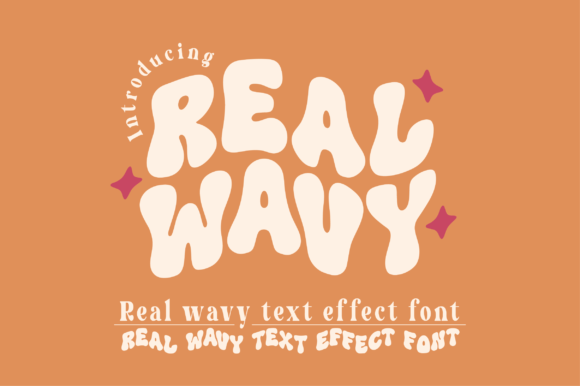
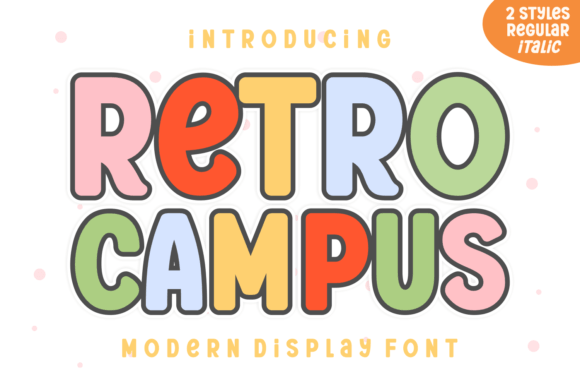
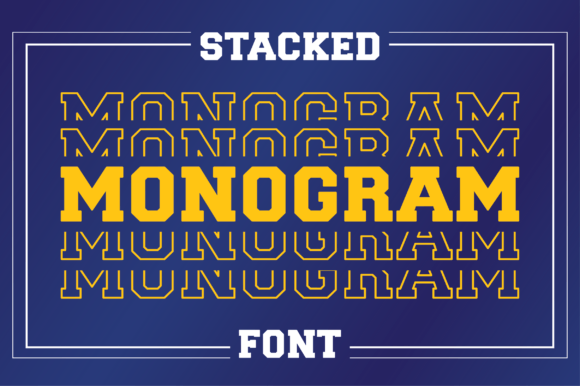
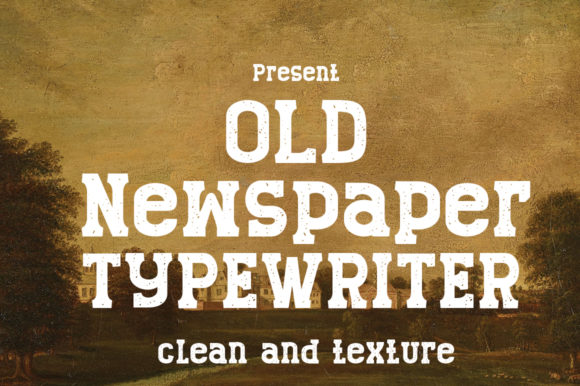
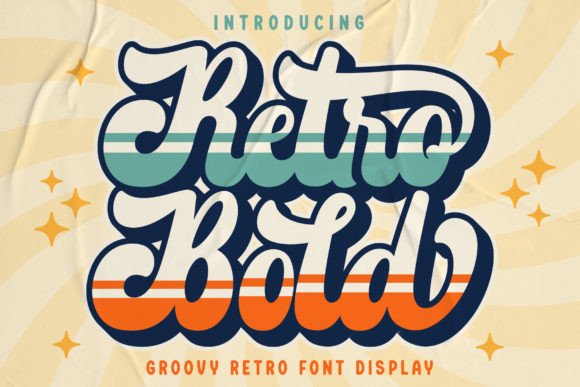
Let's be clear. Retro Bold isn't just another script font. It's a carefully crafted vintage-style handwritten typeface designed to feel like it was lifted from a 1970s diner menu or a classic adventure film poster. What makes it visually appealing is its perfect balance. It has the bold, confident weight of a display font, ensuring it commands attention, yet its hand-drawn imperfections and flowing letterforms give it an approachable, human feel. The swashes and alternate glyphs aren't just decorative extras; they are essential tools that allow you to tailor the font's personality to your specific project. This is where the practical magic happens for anyone building a brand or designing marketing assets.
From Concept to Concrete: Where This Font Shines
Theory is nice, but application is everything. So, where exactly does a premium font like this earn its place in your design toolkit? The range is surprisingly vast.
For branding and logo design, Retro Bold is a powerhouse. Imagine a craft brewery using it for its wordmark, instantly conveying artisanal quality and tradition. A boutique clothing label could use it on its hang tags, establishing a unique identity that stands out from fast-fashion giants. It’s a creative font that tells a story before a single word is read.
In the world of packaging design, it's a game-changer. Think of the label on a gourmet hot sauce, the sleeve for a vinyl record, or the box for artisanal chocolate. Retro Bold adds that layer of perceived value and craftsmanship that makes a product feel special. It moves a package from being merely functional to being a desirable object.
For digital creators, this font injects life into social media graphics. A quote post with Retro Bold as the headline instantly feels more engaging and shareable. It’s perfect for creating YouTube thumbnails, Instagram story headers, or Pinterest pins that need to grab attention in a fast-scrolling feed. It helps build a consistent visual language that followers will start to recognize, boosting brand recognition across platforms.
Don't overlook web design and blogs. While you wouldn't use it for body text, it’s exceptional for hero section headlines, blog post titles, or navigation menu accents. Paired with a clean sans-serif font for readability, it creates a dynamic and memorable user experience that sets your site apart.
And for those tangible, physical projects? It’s a dream. Invitations for weddings, parties, or events gain a personal, celebratory touch. Posters for local events, concerts, or sales promotions become instant eye-catchers. Even merchandise like t-shirts, mugs, and tote bags benefit from its distinctive character, turning everyday items into branded statements.
The Practical Side: Making It Work for You
Choosing a font style is about more than personal taste; it's a strategic decision. Before you dive in, ask yourself: What is the core emotion of my project? Is it playful, sophisticated, rugged, or elegant? Retro Bold leans into a specific retro-futuristic, adventurous vibe. Ensure that aligns with your project's goals.
One of the most critical steps is font pairing. This handwritten font needs a partner that complements, not competes. A simple, geometric sans-serif font often works beautifully as a grounding counterpart. For example, pairing Retro Bold with a font like Montserrat or Lato for subheadings and body copy creates a hierarchy that is both visually interesting and highly readable. Always test your pairings in context—view them on a mockup of your actual project, whether it's a website layout or a product label.
Readability is paramount, especially at smaller sizes. While Retro Bold is designed to be legible, it's best suited for headlines, logos, and short bursts of text. For longer paragraphs, always opt for a more neutral serif or sans-serif font. This contrast not only aids reading but also makes your display font stand out more effectively.
Because this is a PUA-encoded font, you have full access to all its special characters and swashes. This is a huge advantage. Don't just type and go. Explore the font's full character set in your design software (like Adobe Illustrator or Photoshop). Swapping out a standard "t" for a stylistic alternate or adding a flourish to a capital letter can completely transform the look of a headline. This level of customization is what separates good design from great design.
Finally, a word on licensing. If you're using this for a client project, a product you sell, or any commercial endeavor, ensure you have the correct commercial license. It's a small but crucial step that protects you and respects the work of the font's creator. Most reputable font marketplaces make this clear.
A Versatile Player in Your Creative Arsenal
Ultimately, Retro Bold is more than just a cool typeface. It's a versatile design asset that solves a common problem: how to add instant personality and emotional resonance to a project. It bridges the gap between the warmth of hand-lettering and the boldness needed for professional editorial design, marketing assets, and digital products.
Whether you're a small business owner crafting your first brand identity, a marketer looking for fresh social media content, or a designer working on a client's packaging, having a reliable, character-rich font in your library is invaluable. It’s about having the right tool to communicate not just a message, but a feeling. And in a crowded visual landscape, that feeling is what makes people stop, look, and connect. So, the next time your project needs that authentic, retro-inspired punch, you know exactly where to turn.