Rediscovering Warmth: The Retro Appeal of Kinder Bubble
There is a distinct feeling of comfort associated with things that remind us of childhood—perhaps it is the soft, rounded edges of a balloon animal or the blocky, cheerful lettering on a vintage candy wrapper. In the world of design, capturing that specific brand of nostalgia without looking outdated is a delicate balance. This is exactly where Kinder Bubble steps in. It is not just another retro font; it is a typographic time machine that brings the playful, approachable aesthetic of the 70s and 80s into modern-day projects. If you have been searching for a typeface that feels like a warm hug but still carries the weight of professional design, you have likely just found your next favorite asset.
The Anatomy of a Friendly Typeface
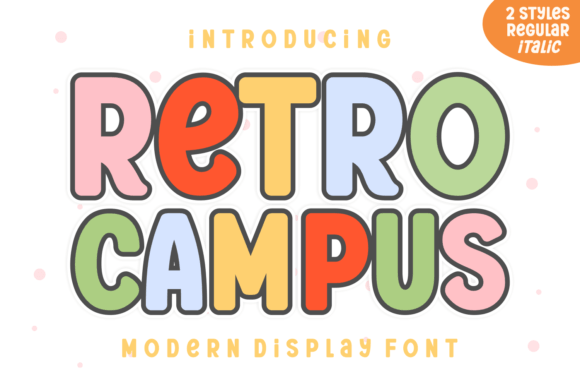
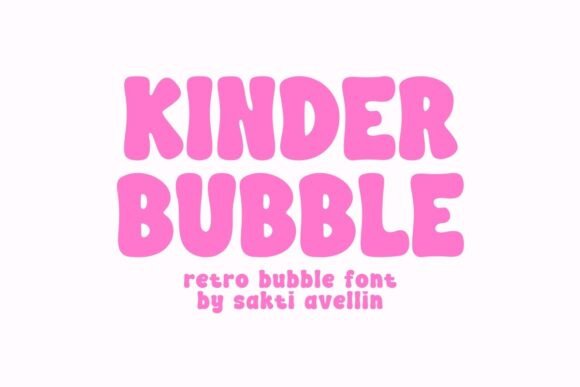
When we look at the technical side of Kinder Bubble, it is clear why it stands out in a sea of display fonts. It belongs to that rare category of typefaces that manages to be bold without being aggressive. The letterforms are defined by their soft, rounded terminals and slightly irregular baseline, mimicking the look of hand-painted signage or bubble letters drawn with a felt-tip pen. This creates an immediate sense of authenticity that rigid, geometric sans-serif fonts often lack.
For designers, the visual appeal lies in the texture. It is a "high-touch" font in a digital world. While a modern sans-serif screams efficiency and corporate minimalism, Kinder Bubble whispers of weekend crafts, board games, and handwritten notes. It bridges the gap between a professional display font and a handwritten font. It possesses the structural integrity of a serif font in terms of visual weight, ensuring it commands attention on a page, yet it retains the whimsy of a script font. This makes it an incredibly versatile tool for anyone working on creative projects, from digital products to physical merchandise.
Practical Applications: From Screen to Print
The true test of any premium font is how well it translates across different mediums. Kinder Bubble excels in this regard because its visual personality adapts to the context of the project. It is a typeface that doesn't just sit there; it communicates a mood immediately.
Packaging and Product Design
If you are in the business of physical goods, typography can make or break a customer's first impression. Imagine Kinder Bubble on the label of a small-batch jam, a scented candle, or a children’s toy. The font instantly communicates that the product is handmade, safe, and full of personality. It works beautifully for packaging design because it is legible at various sizes. You can use it for the brand name on a jar or the instructions on the back of a box, and it will maintain its charm without sacrificing readability. For entrepreneurs selling on platforms like Etsy, using this font on your shipping boxes or thank-you cards can significantly enhance the unboxing experience, turning a simple transaction into a memorable brand interaction.
Merchandise and Apparel
The "retro" trend in fashion is not going anywhere, and Kinder Bubble is perfectly suited for this market. It is an ideal choice for t-shirt graphics, tote bags, and sweatshirts. Because the font has a "bubble" quality, it naturally fills space well, which is a common requirement in merchandise design. It avoids the thin lines that often get lost on fabric or fade after washing. Think about coffee mugs and tumblers; a witty quote or a bold slogan rendered in Kinder Bubble transforms a generic cup into a piece of statement drinkware. It evokes that classic, old-school vibe that appeals to a wide demographic, from Gen Z looking for Y2K or 70s aesthetics to older generations appreciating a nod to their youth.
Digital Presence and Social Media
In the fast-scrolling environment of social media, you have about two seconds to grab a user's attention. This is where a display font like Kinder Bubble shines. It is excellent for Instagram graphics, Pinterest pins, and TikTok overlays. Its distinct silhouette makes it perfect for headlines and pull-quotes on blogs or websites. However, a word of advice for web design: use it sparingly. As a creative font, it is best suited for headers and hero text rather than body copy. Pairing it with a clean, legible sans-serif font for the paragraph text will create a hierarchy that guides the reader’s eye effectively. This contrast makes the headlines pop while ensuring the content remains easy to digest.
Strategic Typography: Building a Brand Identity
Choosing a font is rarely just about aesthetics; it is about psychology. The typeface you choose tells your audience who you are before they read a single word of your copy. Kinder Bubble communicates friendliness, creativity, and approachability. If your brand identity is built around community, joy, or handmade craftsmanship, this font acts as a visual shorthand for those values.
Consider a local bakery or a boutique stationery shop. Using a cold, industrial font would send a mixed message. Kinder Bubble, however, aligns perfectly with the service. It helps in building brand recognition because it is memorable. People will associate that specific, bubbly lettering with your logo design and marketing assets. Over time, this consistency builds trust. When a customer sees your flyer or social media post, they don't even need to read the logo to know it's you; the typography itself becomes a recognizable asset.
Pairing and Professional Presentation
One of the most practical aspects of working with a font like Kinder Bubble is figuring out its partner. No font is an island, and good typography usually involves a pairing of two or three styles to maintain balance.
Because Kinder Bubble is round, playful, and somewhat decorative, it pairs exceptionally well with fonts that are structured and neutral. A classic serif font can give it a sophisticated, editorial look suitable for a vintage magazine layout or a high-end invitation. Conversely, pairing it with a geometric sans-serif font creates a clean, modern contrast that works well for startup branding or tech companies that want to appear more approachable.
When testing your font pairings, pay close attention to the x-height and the weight. You want to ensure that your secondary font doesn't look too thin or spindly next to the bold strokes of Kinder Bubble. The goal is visual consistency. You want the two fonts to look like they belong in the same family, even if they are stylistically different. Always print out a test sheet or view your design on a mobile device to check readability. A font that looks great on a 27-inch monitor might become illegible on a small smartphone screen if the details are too intricate.
The Business of Fonts: Licensing and Usage
For small business owners and entrepreneurs, it is vital to understand the practical side of acquiring design assets. When you purchase a commercial font like Kinder Bubble, you are usually paying for the license to use it, not the font file itself. This distinction matters.
Before you launch a campaign or send a design to the printer, review the licensing terms. Most premium fonts come with different tiers. A desktop license covers physical prints like business cards and posters. A web license covers embedding the font in your website’s CSS using @font-face. An app license covers mobile applications. If you are creating digital products—such as PDF planners or editable templates for Canva—you may need an extended license that allows you to embed the font file within the product for your customers to use.
Ignoring these details can lead to legal headaches down the road. Treat your typography like any other business asset. Keep your receipts and your license files organized. This professional approach ensures that you can use Kinder Bubble to its full potential without worrying about copyright infringement.
Injecting Nostalgia into Modern Design
Ultimately, the power of Kinder Bubble lies in its ability to humanize design. We live in a highly polished, often sterile digital environment. A touch of vintage charm, a rounded corner, or a slightly imperfect baseline can break down the barrier between a brand and its audience. It suggests that there are real people behind the logo.
Whether you are designing a welcome mat for a new home, creating a series of greeting cards, or launching a new product line, this typeface offers a refreshing return to simpler times. It reminds us that design doesn't always have to be serious to be effective. Sometimes, the best way to connect with people is through a font that feels like a fond memory. By integrating Kinder Bubble into your toolkit, you are not just choosing a font; you are choosing a vibe that resonates with warmth, creativity, and enduring style.