Osaka Japan: A Typeface Where Tradition Meets Modern Edge
Every designer knows the feeling: you're scrolling through hundreds of fonts, searching for that one typeface that doesn't just sit on the page but actually speaks. Osaka Japan is the kind of font that stops you mid-scroll. It carries a distinct visual weight—bold enough to command attention, refined enough to feel intentional. If you've been looking for a creative font that bridges cultural elegance with contemporary design demands, this typeface deserves a closer look.
What Makes This Font Stand Out in a Crowded Market
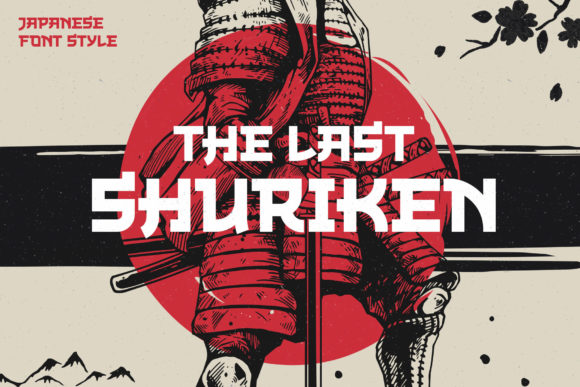
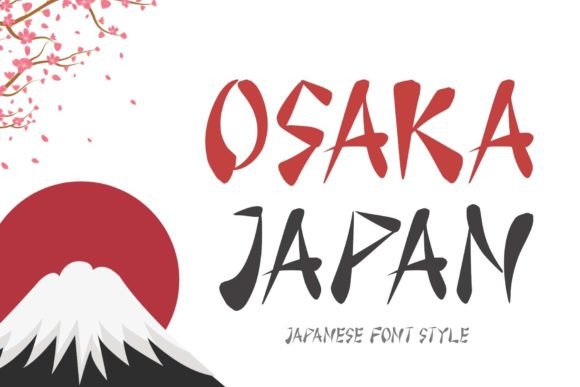
Osaka Japan isn't trying to be everything to everyone, and that's precisely its strength. It draws inspiration from Japanese aesthetic principles—clean geometry, balanced proportions, and a sense of restrained confidence. The letterforms feel intentional without being rigid. There's a subtle tension between sharp edges and smooth curves that gives each character a sense of movement.
As a premium font, it includes uppercase and lowercase letters, numerals, full punctuation sets, and multilingual support. That last detail matters more than most people realize. If you're designing for a global audience—or even just a bilingual one—having built-in multilingual characters saves you from awkward workarounds down the line.
The visual personality sits somewhere between a display font and a modern serif font. It has enough character to anchor a headline but enough clarity to work in shorter body text when styled carefully. Think of it as a typeface with range. It doesn't shout; it speaks with authority.
Practical Applications That Go Beyond Aesthetics
A beautiful font means nothing if it can't perform in real-world scenarios. Osaka Japan earns its place in a designer's toolkit because of how versatile it actually is. Here are some specific contexts where this typeface does its best work:
- Logo design and brand identity: The font's distinctive character makes it ideal for logos that need to feel both memorable and professional. It works especially well for brands in food, hospitality, fashion, lifestyle, and creative industries.
- Packaging design: Whether you're designing labels for artisan products, cosmetics, or specialty foods, this typeface brings a polished look that elevates shelf appeal without feeling overdone.
- Posters and event materials: Film titles, music events, gallery openings, restaurant promotions—Osaka Japan handles large-scale display use beautifully. Its proportions hold up well at both large and mid-range sizes.
- Social media graphics: In a feed full of generic sans serif font choices, this typeface helps your content stand out. Use it for quote graphics, announcement posts, or branded story templates.
- Websites and blogs: While it shines brightest in headlines and hero text, it can also work for navigation labels, pull quotes, or section headers on editorial layouts.
- Merchandise and print materials: Tote bags, business cards, menus, invitation cards, and branded stationery all benefit from a typeface that feels considered rather than default.
- Digital products: If you're selling templates, planners, or downloadable assets, using a distinctive creative font like this one can make your products feel more premium and trustworthy.
How the Right Typography Shapes Perception
Typography does something most people don't consciously notice: it sets expectations before a single word is read. A playful handwritten font tells a different story than a structured modern typography choice. The font you select for a project communicates tone, credibility, and intention—often in under a second.
Osaka Japan works particularly well when you want to project confidence without stiffness. It avoids the coldness that some geometric typefaces carry, but it also doesn't lean into casual territory. This middle ground makes it a strong choice for businesses and creators who want to appear polished but approachable.
Visual consistency is another major benefit. When you commit to a typeface across your brand touchpoints—website, social media, print collateral, packaging—you create a cohesive visual language. Your audience starts to recognize your brand before they even read the text. That kind of recognition compounds over time, and it starts with choosing the right design assets from the beginning.
Pairing, Readability, and Getting the Details Right
No font works in isolation. The real magic happens in font pairing—finding complementary typefaces that create contrast without conflict. Osaka Japan pairs well with clean sans serif fonts for body text. The display character of the primary font gets the spotlight, while a neutral secondary typeface handles longer paragraphs with ease.
A few practical tips for working with this typeface:
- Test at multiple sizes. A font that looks stunning at 72pt might lose definition at 14pt. Always preview your typography at the actual size it will appear in your final design.
- Check spacing and kerning. Even well-designed fonts may need minor adjustments depending on the letters you're combining. Don't skip this step, especially for logo design and headline work.
- Consider your color palette. Bold typefaces like this one work best when they have room to breathe. Avoid cluttered backgrounds that compete with the letterforms.
- Review all included styles. Many premium fonts come with alternate weights or stylistic variations. Explore the full character set before settling on your final look—you might find a variation that fits even better.
- Think about licensing early. If you're using the font for commercial projects—client work, products for sale, or marketing materials—make sure you understand the licensing terms. This avoids headaches later and protects your work.
Finding the Balance Between Distinction and Function
The best design decisions happen when aesthetics serve a purpose. Osaka Japan isn't just a pretty typeface—it's a practical tool for anyone building a brand, launching a product, or creating content that needs to look intentional. Its strength lies in its ability to adapt across contexts without losing its identity.
If you're a small business owner designing your own menu or a content creator building a personal brand, the fonts you choose become part of your visual signature. They shape how people feel about your work before they engage with it. That's not a small thing.
Take the time to experiment. Set your brand name in this typeface. Try it on a mockup. See how it feels alongside your existing design elements. Good typography isn't about following trends—it's about finding the right voice for the story you're telling. Osaka Japan might just be the voice your next project has been waiting for.