The Art of Handwritten Warmth: Discovering the Summer Dress Typeface
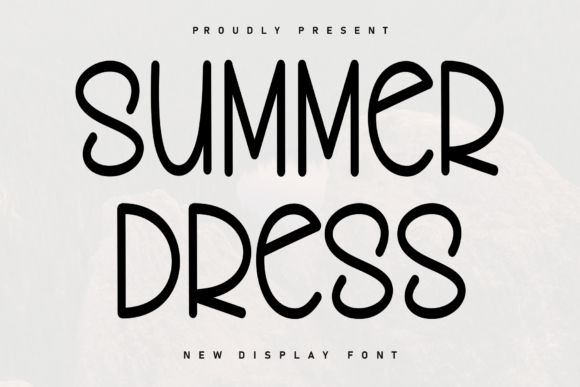
There is a distinct kind of magic found in a design that feels personal, something that suggests a human hand was involved in its creation rather than a sterile algorithm. In a marketplace saturated with sharp geometric sans-serifs and rigid corporate typefaces, the visual hunger for authenticity is growing. Enter Summer Dress, a premium font that captures the essence of relaxed elegance. It is not merely a set of characters; it is a design asset that brings a sense of heartfelt perfection to any canvas. With its smooth strokes and organic, flowing lines, this typeface evokes an atmosphere of ease and spontaneity. It serves as a reminder that typography can be soft, approachable, and deeply emotive.
For designers, entrepreneurs, and content creators, the choice of typeface is rarely just about legibility—it is about voice. Summer Dress speaks a language of warmth and approachability, making it a versatile tool for anyone looking to bridge the gap between professional polish and human connection. Whether you are drafting a brand identity for a boutique shop or curating a lifestyle blog, understanding how to leverage the unique character of this handwritten font can significantly alter how your audience perceives your message.
Aesthetic Versatility in Modern Branding
One of the greatest challenges in brand identity is standing out without alienating your audience. This is where the specific personality of your typography plays a pivotal role. A rigid sans-serif might scream efficiency, but it often lacks soul. Conversely, a highly decorative script might be beautiful but difficult to read in practical applications. Summer Dress occupies a valuable middle ground. It functions as a charming display font that retains readability, making it an excellent choice for headers, hero sections, and logos.
Consider the needs of a small business owner launching a new product line. If you are selling artisanal goods, eco-friendly skincare, or handmade crafts, the visual language needs to reflect the care put into the product. Using a typeface like Summer Dress on packaging design immediately signals that the brand values aesthetics and personality. It moves the product away from the "mass-produced" look and closer to the "crafted with care" vibe. This is particularly effective in logo design, where the typeface itself becomes the icon. A logo set in a fluid, organic typeface suggests flexibility and creativity, traits that are highly attractive to modern consumers.
Pairing Typography for Professional Presentation
While a beautiful script font or handwritten style is visually arresting, it rarely works well in isolation for every part of a project. This is where the concept of font pairing becomes essential. To maintain a professional presentation, you must balance the expressive nature of Summer Dress with a more grounded companion.
A general rule of thumb in modern typography is contrast. Because Summer Dress has organic, flowing lines, it pairs exceptionally well with clean, geometric sans serif font families. For example, using a bold weight of a typeface like Montserrat or Lato for body copy and navigation menus provides a stable foundation that allows the headers written in Summer Dress to pop. This contrast ensures readability across web design and print materials. The sans-serif handles the heavy lifting of information delivery, while the handwritten font delivers the emotional hook.
When testing your pairings, pay attention to scale. A handwritten typeface often needs to be set at a larger size than standard serif or sans-serif fonts to remain legible. However, because Summer Dress features smooth strokes rather than overly complex loops, it maintains its structure better than many other creative font options. This makes it a reliable asset for editorial design where you might want to pull quotes or feature titles that demand attention without overwhelming the page layout.
Digital Applications: From Social Feeds to Web Design
The digital landscape requires typography that renders well on screens of all sizes. In the realm of social media graphics, attention spans are short, and the visual competition is fierce. A static, standard font can easily be scrolled past. However, the dynamic nature of Summer Dress can stop the scroll. It mimics the look of hand-lettering, which is currently a dominant trend in influencer marketing and content creation. Using this typeface for Instagram story headers, Pinterest pins, or Facebook promotional graphics adds a layer of authenticity that resonates with audiences seeking genuine connection.
For blogs and digital products, the font serves a slightly different but equally important purpose. It helps in creating visual hierarchy. By using Summer Dress for chapter titles, section breaks, or call-to-action buttons, you guide the reader’s eye through the content. It breaks up the monotony of long-form text, making the reading experience feel less like work and more like a conversation. Furthermore, for those selling digital products such as e-books, planners, or online course materials, incorporating a premium font like this elevates the perceived value of the product. It transforms a simple PDF into a designed experience.
Print, Merchandise, and Tangible Design Assets
While digital is dominant, the tactile experience of print remains powerful. The organic lines of Summer Dress translate beautifully to physical media. In packaging design, the texture of the paper combined with the soft curves of the typeface creates a sensory experience. It is equally effective for invitations—whether for weddings, baby showers, or boutique events—where the goal is to set a specific mood before the guest even arrives.
Merchandise is another area where this display font shines. Think about the typography you see on tote bags, coffee mugs, or t-shirts. These items rely on short, punchy statements that look good wrapped around a curve or printed flat. Summer Dress has the visual weight to stand alone on merchandise without needing complex illustrations to support it. A simple "Create" or "Dream" written in this typeface becomes a piece of art in itself. For designers creating mockups or selling printables, having a commercial font that includes the proper licensing for merchandise is crucial. It allows for the creation of assets that can be sold or used in commercial advertising without legal ambiguity.
Practical Considerations for Implementation
Adopting a new typeface into your toolkit requires a bit of strategic planning. First, review the specific styles included with the font. Does it come with alternate characters or ligatures? Many premium handwritten fonts include these extras to help you customize the look of specific letter combinations, preventing the "digital" look of repetitive characters. Taking the time to explore these features can make your typography feel truly bespoke.
Second, consider the context of your audience. If your target demographic is older or prefers traditional corporate aesthetics, a handwritten font might be perceived as too casual for the main body of a report. However, it could still work perfectly for internal presentations or creative pitches where you want to break down barriers. For audiences aged 20–50, particularly in lifestyle, fashion, and creative industries, this style of typography is the standard for engagement.
Finally, always test your designs in context. A font that looks perfect on your high-resolution monitor might lose some of its nuance when printed on a textured card stock or viewed on a mobile phone. Ensure that the contrast remains high enough for legibility. The goal of using a creative font like Summer Dress is to enhance the message, not obscure it. By balancing its artistic flair with practical design principles, you create a visual identity that is not only beautiful but also effective in communicating your brand's story.